

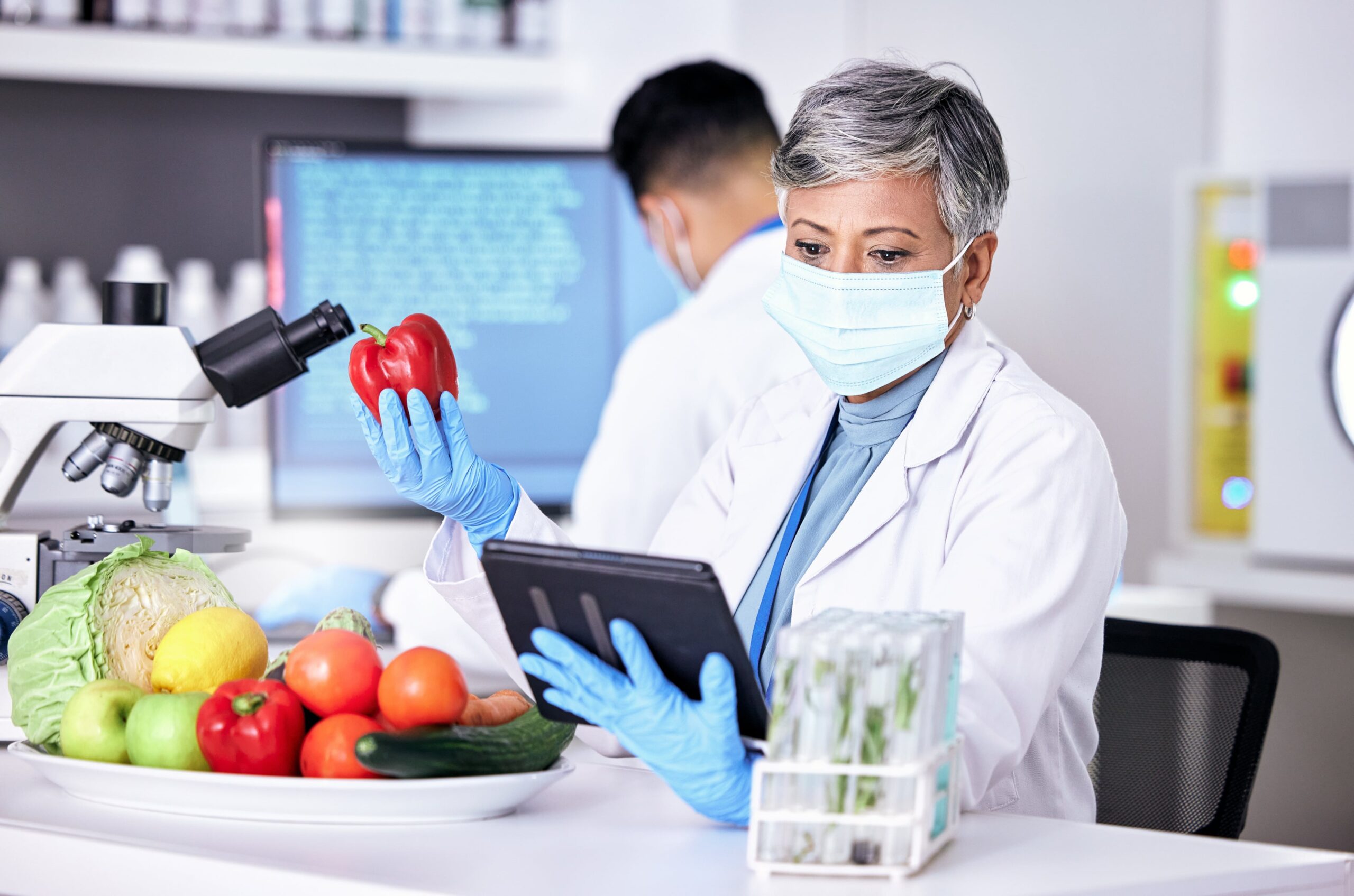
In today’s rapidly evolving food industry, food testing laboratories face increasing demands for compliance, accuracy, and efficiency. The rise of global food safety regulations and stringent quality assurance measures has made it crucial for food testing labs to adopt advanced technology. One of the most valuable tools that food testing labs can integrate into their operations is a Laboratory Information Management System (LIMS). By utilizing LIMS, food labs can streamline their processes, enhance data management, and maintain compliance with various food safety standards. In this blog, we’ll explore how LIMS helps food testing laboratories stay ahead in an increasingly regulated industry, ensuring accuracy, efficiency, and regulatory adherence.
The Importance of LIMS in Food Testing Labs
What is a Laboratory Information Management System (LIMS)?
A Laboratory Information Management System (LIMS) is software designed to automate and manage the processes within a laboratory. It acts as a comprehensive solution to handle sample tracking, data management, workflow automation, and compliance management. LIMS software enables labs to maintain accurate records, streamline data flow, and ensure that laboratory operations are efficient and compliant with industry regulations.
For food testing labs, LIMS is particularly beneficial due to the need for strict adherence to food safety standards, traceability of test results, and real-time access to data. LIMS for food and beverage testing ensures that testing procedures are followed precisely, and results are easily accessible, reliable, and traceable.
Why LIMS is Essential for Food Testing Labs
Food testing laboratories operate in a highly regulated environment with constant pressure to maintain high standards of safety and quality. With the rise of foodborne illnesses, consumer demand for transparency, and regulatory requirements from agencies like the FDA, EFSA, and other local food safety authorities, the role of LIMS in food and beverage labs has become indispensable. Here’s why:
- Regulatory Compliance and Standards: LIMS helps labs comply with global food safety standards such as ISO 17025, FDA 21 CFR Part 11, and NABL 133. By automating data collection and ensuring that proper procedures are followed, LIMS reduces the risk of non-compliance.
- Accurate Data Management: Food testing labs generate large amounts of data daily. Managing this data manually can be error-prone and time-consuming. LIMS for food and beverage labs ensures that all data is entered and stored accurately, reducing the risk of human error and enhancing the reliability of results.
- Sample Tracking and Traceability: LIMS software allows labs to track samples from collection to final analysis. This ensures complete traceability, which is critical in the food industry where the origin of ingredients, handling processes, and test results must be documented at every stage.
- Improved Workflow Efficiency: The automation of tasks such as sample registration, test scheduling, and result reporting reduces manual intervention and speeds up the overall process. LIMS can significantly improve the throughput of food testing labs by minimizing bottlenecks and optimizing lab management software.
- Real-time Reporting and Data Access: With LIMS, food testing labs can access results and data in real-time. This improves decision-making and ensures faster turnaround times for clients and stakeholders. Additionally, LIMS offers reporting features that simplify the generation of compliance reports.
Key Features of LIMS for Food Testing Labs
1. Role-Based Access and Permissions
LIMS allows food testing labs to set role-based access control (RBAC), ensuring that only authorized personnel can access sensitive data. This is crucial for maintaining confidentiality and ensuring that different stakeholders in the laboratory, from technicians to managers, only have access to the information they need.
2. Cloud-Based Solutions
Cloud-based LIMS solutions provide flexibility and scalability for food testing labs. Labs can access data remotely, allowing for easier collaboration and faster response times. Cloud-based LIMS also ensures that data is securely backed up and accessible from anywhere, making it ideal for multi-site food testing labs.
3. Automated Compliance Management
One of the standout features of LIMS software for food testing is its ability to automate compliance with industry standards. For instance, LIMS can automatically track expiration dates of calibration certificates, maintain audit trails, and generate compliance reports, ensuring that the lab consistently meets regulatory requirements.
4. Comprehensive Reporting and Data Analytics
LIMS offers powerful reporting tools, allowing food testing labs to generate detailed and customizable reports on test results, sample analysis, and overall performance. Data analytics tools within LIMS help labs spot trends, monitor key metrics, and make data-driven decisions.
5. Mobile Integration for Sample Tracking
Modern LIMS, such as eLABSS LIMS, feature mobile apps that enable real-time tracking of samples, GPS-enabled image capturing, and live location tracking. This level of transparency enhances control over the entire testing process and provides stakeholders with up-to-date information on the status of their samples.
How LIMS Helps Food Testing Labs Stay Ahead in a Regulated Industry
1. Adaptability to Changing Regulations
The food industry is subject to ever-evolving regulations, from new food safety standards to changes in lab certification requirements. LIMS software ensures that food testing labs remain adaptable to these changes by providing regular updates and compliance features that align with new standards. For instance, when new food safety standards are introduced, LIMS can automatically integrate these changes into the system to ensure continued compliance.
2. Faster Turnaround Times
In an industry where time is often of the essence, LIMS enables food testing labs to deliver results quickly and efficiently. By automating routine tasks and facilitating real-time data entry and reporting, LIMS significantly reduces turnaround times, providing faster feedback to food manufacturers, regulators, and consumers.
3. Enhanced Data Integrity
With increasing scrutiny from regulatory bodies and consumers, data integrity is a critical component of any food testing lab’s operations. LIMS ensures that all data is collected, stored, and reported accurately, minimizing the risk of fraudulent or erroneous data. This is particularly crucial in the food industry, where inaccurate testing results can lead to serious health risks and reputational damage.
4. Cost Efficiency and Resource Optimization
LIMS helps food testing labs optimize resources by automating administrative tasks, reducing the need for manual paperwork, and improving overall operational efficiency. With LIMS software, food labs can focus more on their core activities – testing and analysis – while reducing operational costs associated with manual processes and inefficiencies.
eLABSS LIMS: A Game-Changer for Food Testing Labs
When it comes to implementing a reliable and efficient LIMS, eLABSS LIMS stands out as a top choice for food testing laboratories. With its intuitive interface, cloud-based infrastructure, and customizable features, eLABSS LIMS is designed to cater to the unique needs of food testing and analytics labs.
Why Choose eLABSS LIMS?
- Seamless, Paperless Experience: eLABSS LIMS digitizes all lab operations, ensuring a smooth and paperless experience from enquiry to sample collection and result delivery. This not only saves time but also ensures that all data is securely stored and easily retrievable.
- Mobile Integration: With the mobile app, food testing labs can track samples in real-time, capture GPS-enabled images, and monitor the location of samples throughout the testing process.
- Comprehensive Modules: eLABSS offers a wide range of modules, from sample management to reporting and compliance. These modules can be customized to meet the specific needs of your lab, enhancing workflow and efficiency.
- Compliance-Ready: eLABSS LIMS is fully compliant with industry standards such as NABL 133, ISO 9001, and more, ensuring that your lab meets the highest regulatory standards.
Conclusion
In an increasingly regulated food industry, LIMS for food and beverage testing is no longer just an option; it’s a necessity. From ensuring compliance with stringent food safety regulations to improving data accuracy and enhancing operational efficiency, LIMS plays a pivotal role in the success of food testing laboratories. eLABSS LIMS provides a comprehensive, flexible solution that meets the unique needs of food testing labs, offering a seamless, paperless experience that enhances control and transparency. By integrating LIMS, food testing labs can stay ahead in a competitive and highly regulated industry, ensuring safety, quality, and compliance every step of the way.
FAQs About LIMS in Food Testing Labs
- What is the role of LIMS in food testing labs?LIMS plays a crucial role in automating workflows, managing sample data, ensuring compliance with food safety standards, and improving overall efficiency in food testing labs.
- How does LIMS improve compliance in food testing?
LIMS helps food labs stay compliant with industry regulations by automating processes such as documentation, calibration tracking, and audit trails, ensuring all actions are properly logged and traceable. - Can LIMS software be customized for food testing labs?
Yes, modern LIMS solutions like eLABSS LIMS can be fully customized to meet the specific needs of food testing labs, offering modules tailored to sample management, data analysis, and reporting. - What are the benefits of cloud-based LIMS for food testing labs?
Cloud-based LIMS allows for remote access, better data security, real-time monitoring, and easier collaboration across multiple locations, making it an ideal solution for food testing labs. - How can LIMS help food testing labs reduce errors and improve data accuracy?
By automating data entry and eliminating manual processes, LIMS reduces the likelihood of human error, ensuring that all test results are accurate and reliable.