

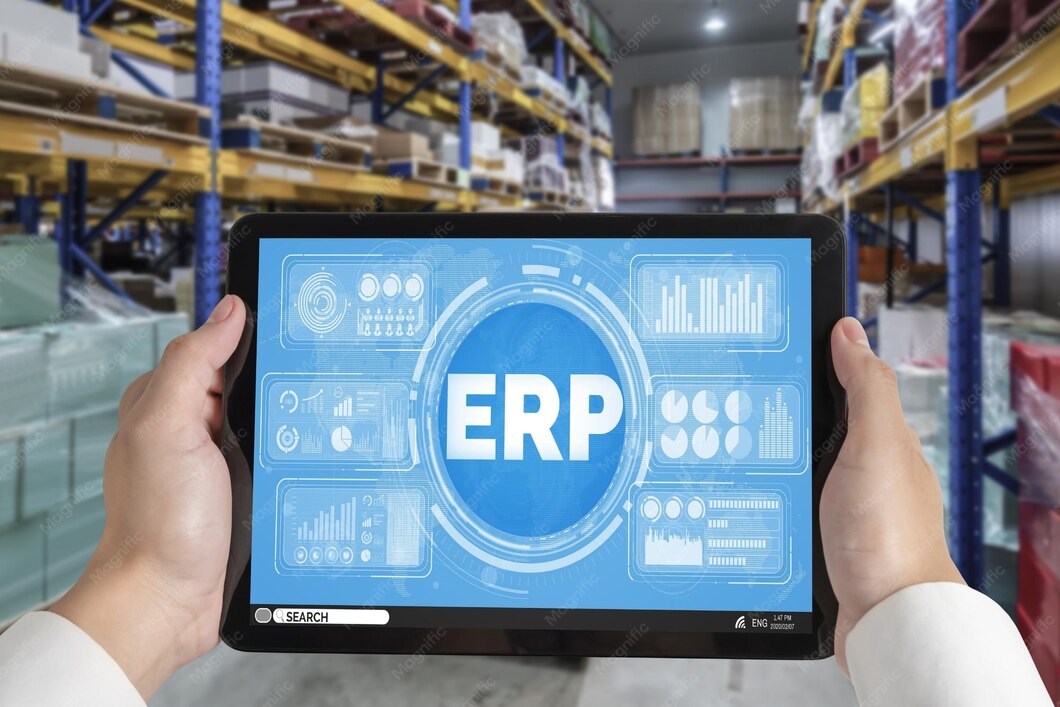
Managing inventory effectively is one of the biggest challenges for businesses, especially manufacturers, distributors, wholesalers, and retailers handling multiple products, warehouses, and sales channels. Overstock ties up working capital and increases storage costs, while stockouts can lead to missed sales, production delays, and dissatisfied customers.
This is where Inventory ERP Software can make a significant difference. By connecting purchasing, sales, inventory, production, warehousing, and finance on a single platform, ERP systems give businesses better visibility and control over stock levels.
What Is Inventory ERP Software?
Inventory ERP Software is an enterprise resource planning solution designed to help businesses monitor and manage inventory throughout its entire lifecycle. It provides real-time information about stock quantities, purchase orders, sales orders, warehouse movements, production requirements, and reorder levels.
Instead of depending on spreadsheets or disconnected systems, businesses can use ERP software to centralize inventory information and make faster, data-driven decisions.
A reliable ERP Software Company can customize the system according to the organization’s industry, inventory structure, warehouse operations, and business requirements.
How Inventory ERP Software Reduces Overstock
1. Real-Time Inventory Visibility
One of the main causes of overstock is a lack of accurate information about existing inventory. When different departments maintain separate records, businesses may purchase products that are already available in sufficient quantities.
Inventory ERP Software provides real-time visibility into stock across warehouses and locations. Procurement teams can see current inventory levels before placing new purchase orders, reducing unnecessary purchases.
2. Automated Reorder Levels
ERP systems can help businesses define minimum and maximum stock levels for individual products. When inventory reaches a predefined reorder point, the system can alert the purchasing team or support automated procurement workflows.
This allows businesses to purchase based on actual inventory requirements instead of relying on assumptions.
3. Better Demand Planning
Historical sales data can provide valuable insights into product demand. ERP software can help businesses analyze previous sales, seasonal trends, order patterns, and inventory movements.
With better demand forecasting, companies can avoid purchasing excessive quantities of slow-moving products while maintaining sufficient stock of high-demand items.
4. Identification of Slow-Moving and Dead Stock
Holding inventory that does not sell can consume valuable warehouse space and working capital. ERP systems can generate inventory reports that identify slow-moving, non-moving, and obsolete products.
Management can then take appropriate action, such as offering discounts, changing purchasing strategies, or adjusting production plans.
How Inventory ERP Software Prevents Stockouts
1. Accurate Stock Tracking
Stockouts often occur when businesses do not have an accurate picture of their available inventory. ERP systems continuously track stock receipts, sales, transfers, returns, consumption, and adjustments.
This helps businesses maintain accurate inventory records and identify shortages before they become serious problems.
2. Automated Alerts
Inventory ERP systems can provide notifications when stock reaches critical levels. Purchasing and inventory teams can act quickly instead of discovering shortages after receiving a customer order.
These alerts are particularly useful for products with long supplier lead times or materials that are essential to production.
3. Improved Procurement Management
An ERP Solution Provider can implement procurement workflows that connect inventory requirements with purchase planning. Businesses can monitor purchase orders, supplier information, expected delivery dates, and outstanding quantities from one system.
Better procurement visibility helps companies replenish inventory at the right time.
4. Integration With Manufacturing Operations
For manufacturers, inventory management is closely connected to production planning. Running out of raw materials can stop production, while purchasing too many materials can increase carrying costs.
Manufacturing ERP Software connects inventory with production requirements, bills of materials, work orders, and procurement processes. This enables manufacturers to plan material requirements more accurately and maintain the right level of raw materials, work-in-progress, and finished goods.
Benefits of Using Inventory ERP Software
Businesses can gain several advantages by implementing an integrated ERP system, including:
- Better inventory accuracy
- Reduced excess and obsolete inventory
- Fewer stockouts
- Improved demand planning
- Faster purchasing decisions
- Better warehouse utilization
- Reduced carrying costs
- Improved order fulfillment
- Greater visibility across multiple locations
- Better coordination between sales, purchasing, production, and finance
A professional ERP Software Provider can also help businesses configure dashboards, reports, workflows, and integrations according to their operational requirements.
Inventory ERP Software for Different Business Locations
Businesses operating in different industrial and commercial regions may have unique inventory management requirements. Choosing an experienced implementation partner can help organizations deploy an ERP solution suited to their operations.
Companies searching for Inventory ERP Software Delhi NCR can benefit from solutions that support multi-location inventory, procurement, sales, warehouse management, and business reporting.
Similarly, manufacturers and businesses looking for Inventory ERP Software Baddi can use ERP systems to improve material planning, production inventory, warehouse coordination, and stock visibility.
Organizations exploring Inventory ERP Software Hyderabad can use integrated ERP capabilities to manage inventory across warehouses, purchasing operations, sales orders, and production processes.
For businesses searching for Inventory ERP Software Chennai, an ERP platform can provide centralized inventory management while helping teams improve procurement planning, stock tracking, and order fulfillment.
Why Choose the Right ERP Solution Provider?
Implementing ERP software is not simply about installing a system. The solution needs to match the company’s processes and should be properly configured, integrated, and supported.
A capable ERP Solution Provider can help with:
- Business process analysis
- ERP customization
- Inventory module configuration
- Data migration
- User training
- System integration
- Reporting and dashboards
- Implementation and technical support
The right ERP partner can help businesses move from reactive inventory management to a more proactive and data-driven approach.
Conclusion
Overstock and stockouts are not just inventory problems—they directly affect cash flow, warehouse costs, production efficiency, customer satisfaction, and overall profitability. Inventory ERP Software helps businesses maintain better control by connecting inventory data with purchasing, sales, warehousing, production, and finance.
For organizations looking for a reliable solution, eLABSS can be considered as an ERP technology partner for improving business processes and inventory management. With the right ERP system and implementation approach, businesses can gain greater inventory visibility, make smarter purchasing decisions, reduce excess stock, and minimize stockout-related disruptions.
Ultimately, the goal is simple: have the right inventory, in the right quantity, at the right location, and at the right time.
Frequently Asked Questions
1. How does ERP software help reduce excess inventory?
ERP software provides real-time inventory visibility, demand analysis, reorder controls, and reports on slow-moving products. These capabilities help businesses avoid unnecessary purchasing and production.
2. Can Inventory ERP Software prevent stockouts?
Yes. ERP systems can monitor stock levels, define reorder points, generate alerts, and connect inventory requirements with purchasing and production planning. This helps businesses identify potential shortages earlier.
3. Is Inventory ERP Software suitable for manufacturing companies?
Yes. Manufacturing businesses can use ERP software to manage raw materials, work-in-progress, finished goods, bills of materials, production requirements, purchasing, and warehouse operations from an integrated platform.
4. What should businesses consider when selecting an ERP Software Provider?
Businesses should consider industry experience, customization capabilities, scalability, integration options, implementation support, training, reporting features, and after-sales service.
5. Can ERP software manage inventory across multiple warehouses?
Yes. Modern ERP systems can provide centralized visibility of inventory across multiple warehouses and locations, allowing businesses to track stock transfers, availability, receipts, dispatches, and replenishment requirements.
Comments are closed