

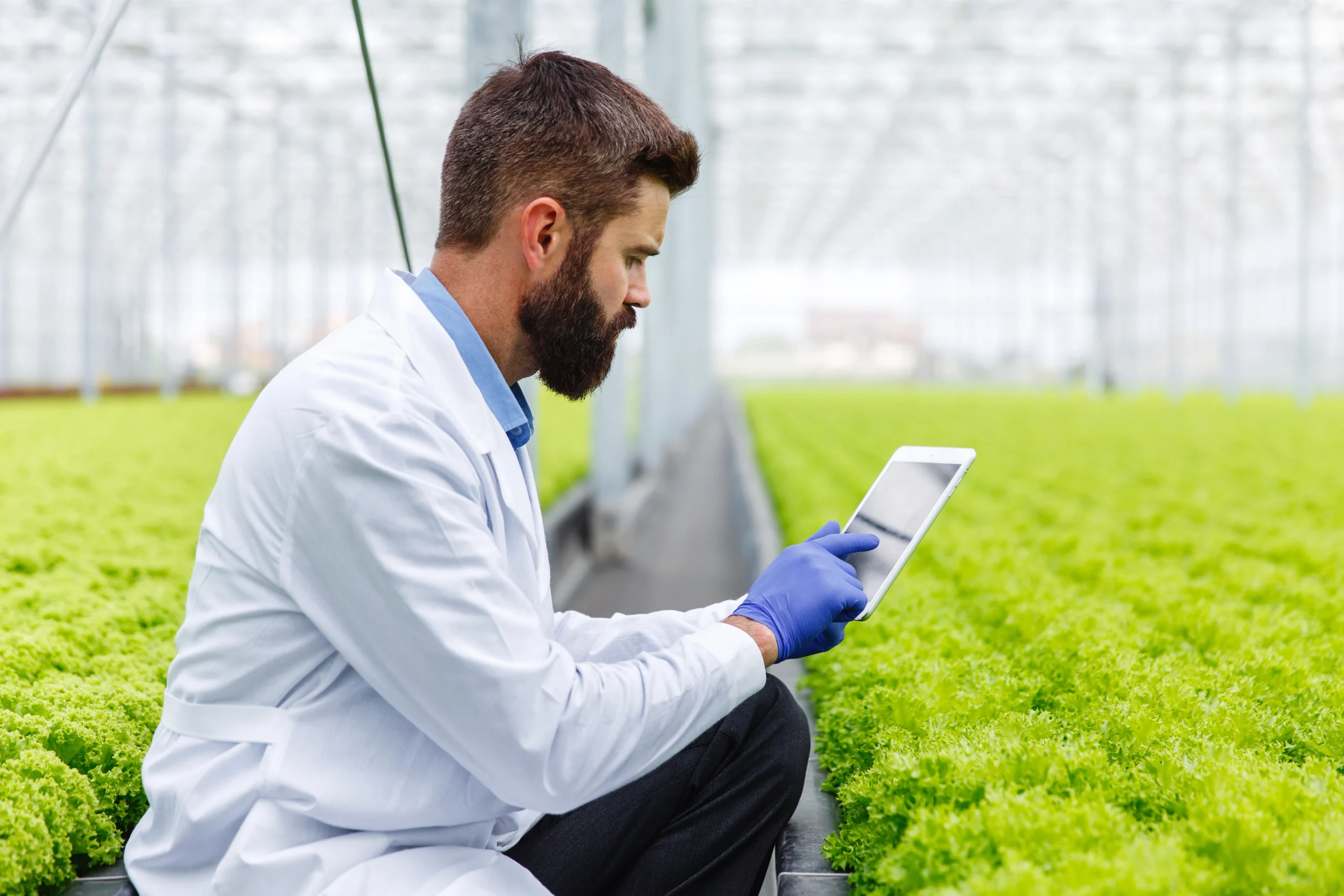
The agricultural industry is under immense pressure to meet the rising demand for safe, high-quality food products while simultaneously managing strict regulatory requirements. In this fast-paced environment, ensuring food safety and maintaining high standards of quality across the entire agricultural production chain is crucial. This is where Digital Laboratory Information Management Systems (LIMS) come into play, providing an advanced solution to streamline agricultural testing processes, improve efficiency, and support better food production.
Understanding Laboratory Information Management Systems (LIMS)
A Laboratory Information Management System (LIMS) is a sophisticated software tool used by laboratories to manage, track, and analyze data generated during testing procedures. In the agricultural sector, LIMS software helps ensure the quality and safety of food products through comprehensive testing. By offering robust functionalities like sample management, order tracking, and customer portals, LIMS supports laboratories in maintaining high operational standards and regulatory compliance.
The digital transformation in laboratories, especially in agricultural testing, is essential for managing large volumes of samples and data, improving productivity, and ensuring that all testing complies with industry regulations.
Key Roles of LIMS in Agricultural Testing
Agricultural laboratories face unique challenges, such as handling diverse sample types (soil, water, food products, etc.), managing large datasets, ensuring traceability, and maintaining regulatory compliance. LIMS software is designed to address these challenges by automating manual tasks, increasing accuracy, and providing real-time data access. Below are some specific ways that LIMS enhances agricultural testing and contributes to better food production:
1. Sample Management for Agricultural Labs
Effective sample management for labs is critical in agricultural testing. With a variety of sample types, such as crops, water, soil, and fertilizers, LIMS enables laboratories to efficiently manage these samples from collection to testing and reporting. Through sample registration for LIMS, each sample is tracked with unique identifiers like barcodes or QR codes, ensuring that samples are not misplaced, misidentified, or improperly handled.
By automating the sample registration process, LIMS eliminates the need for manual entry, reducing human error and ensuring that each sample is recorded accurately. This level of detail helps laboratories maintain compliance with industry regulations and ensures traceability, which is vital when food safety concerns arise.
2. Streamlined Data Management and Reporting
Agricultural labs must manage vast amounts of data, including test results, sample information, and historical records. Traditional paper-based systems or spreadsheets are prone to errors and inefficiencies. LIMS software solves this by offering centralized data storage, real-time access to testing results, and automated data processing.
With laboratory information management system software, test results are stored securely in a centralized database, allowing for easy retrieval, analysis, and reporting. This reduces the risk of data loss or discrepancies and ensures that test results are accessible whenever needed. Additionally, LIMS enables the generation of customized reports, making it easier for laboratories to comply with regulatory standards and provide detailed reports to stakeholders.
3. Quality Control and Compliance Management
Agricultural testing laboratories must adhere to strict regulatory standards to ensure that their testing processes meet the required quality control criteria. A LIMS platform is crucial for maintaining compliance with industry certifications such as NABL 133, ISO 9001, and other relevant standards.
By automating compliance-related tasks such as audit trails, validation reports, and data integrity checks, LIMS ensures that all actions taken in the lab are traceable and verifiable. Audit trail features within the LIMS provide a complete history of every interaction with the system, offering full transparency for compliance audits.
With cloud-based LIMS solutions, laboratories can ensure secure data storage and remote access to ensure real-time reporting and monitoring from anywhere, contributing to better decision-making and ensuring that the laboratory remains compliant with industry regulations.
4. Order Management and Customer Portals
Agricultural testing labs often receive a high volume of orders from clients, including food manufacturers, farmers, and regulatory bodies. A seamless order management system integrated within LIMS helps track orders from receipt to completion. The Order Management Module for LIMS is designed to automate this process, enabling labs to manage incoming orders, assign tasks, and schedule tests effectively.
Additionally, LIMS platforms come with a customer portal in LIMS that allows clients to access real-time updates on their orders, view testing results, and track the status of their samples. This self-service feature enhances customer satisfaction, improves transparency, and reduces the administrative burden on lab staff.
5. Improved Efficiency and Automation
One of the key benefits of using LIMS in agricultural testing is the automation of routine tasks. With LIMS, laboratories can automate sample tracking, test result entry, reporting, and notification processes. Lab management software enables laboratories to run more efficiently by minimizing manual intervention, reducing the likelihood of errors, and speeding up the testing workflow.
Automating these tasks frees up laboratory personnel to focus on more complex aspects of testing, such as data analysis and troubleshooting. It also helps improve turnaround times for test results, which is crucial in the agricultural sector, where timely data can impact product quality and safety.
6. Traceability and Transparency
In agricultural testing, traceability is key. Every sample, test result, and action must be traceable to ensure accountability and prevent contamination or adulteration. Sample management for lab and sample registration for LIMS ensures that every item is assigned a unique identifier, and its journey through the lab is tracked in real-time. This level of traceability is essential for ensuring food safety and meeting the stringent requirements of international food safety standards.
Additionally, the digital records maintained in LIMS provide full transparency, which is essential for auditing purposes and ensuring that food products are safe for consumption.
7. Real-Time Data Access and Decision Making
LIMS allows for real-time data access, giving lab managers, supervisors, and other stakeholders immediate visibility into ongoing testing processes. This enhances decision-making by providing up-to-date information on sample statuses, testing results, and workflow progress. For agricultural labs, this means being able to make timely decisions about crop quality, soil health, water quality, and other critical factors that affect food production.
LIMS ensures that all stakeholders have the necessary information to take immediate action when needed, helping to improve overall food safety and production efficiency.
8. Enhanced Collaboration Across Teams
Modern agricultural testing often involves multiple teams working together to analyze different aspects of the same sample. A laboratory information management system fosters collaboration by allowing teams to access the same data from different locations, share insights, and work together on testing processes. With cloud-based LIMS, all data is centralized, and multiple users can interact with the system simultaneously, ensuring smooth collaboration across the entire testing process.
Conclusion: Choose eLABSS LIMS for Agricultural Testing Excellence
The integration of digital LIMS solutions in agricultural testing is a game-changer for the industry. By enhancing sample management, improving regulatory compliance, boosting efficiency, and enabling real-time data access, LIMS software is transforming the way agricultural laboratories conduct testing and ensure food safety.
For agricultural labs looking to adopt a robust, reliable, and user-friendly LIMS solution, eLABSS LIMS stands out as an excellent choice. With features like role-based access, cloud-based solutions, and user-friendly interfaces, eLABSS provides a comprehensive, scalable solution for modern agricultural testing. Its QR code generation, scheduled MIS, and complete audit trail features help maintain strict control over testing processes while ensuring compliance with global standards like NABL 133 and ISO 9001.
eLABSS LIMS also offers powerful tools for order management, sample registration, and customer communication, including a dedicated customer portal for easy access to test results and status updates. With a focus on data integrity, automation, and compliance, eLABSS LIMS is the ideal choice for agricultural labs striving to improve food safety, streamline operations, and achieve better food production outcomes.
For more information about how eLABSS can enhance your agricultural testing workflows, consider scheduling a demo or reaching out to their team to explore how their solutions can meet your lab’s specific needs.
Frequently Asked Questions (FAQs)
What is a Laboratory Information Management System (LIMS) and how does it benefit agricultural testing?
A LIMS is software that manages and tracks samples, data, and workflows in a lab. In agricultural testing, it streamlines processes, improves data accuracy, ensures compliance with regulations, and enhances decision-making for better food safety and production.
How does LIMS software improve sample management in agricultural labs?
LIMS automates the tracking and management of agricultural samples (like soil, crops, and water). It assigns unique identifiers (e.g., barcodes or QR codes) to each sample, ensuring traceability and reducing errors in handling and processing.
Can LIMS help ensure compliance with industry standards in agricultural testing?
Yes, LIMS helps maintain compliance with standards like NABL 133 and ISO 9001 by automating audit trails, data validation, and reporting. This ensures that lab processes meet regulatory requirements, reducing the risk of non-compliance.
How does the customer portal in LIMS benefit agricultural testing labs?
The customer portal in LIMS allows clients to access real-time test results and sample statuses. This improves customer satisfaction, reduces administrative work, and provides transparency, allowing clients to independently track their orders.
What are the key features of eLABSS LIMS for agricultural labs?
eLABSS LIMS offers features like role-based access, cloud-based solutions, QR code generation, audit trails, and order management to streamline testing workflows, improve accuracy, and ensure compliance with industry standards.