

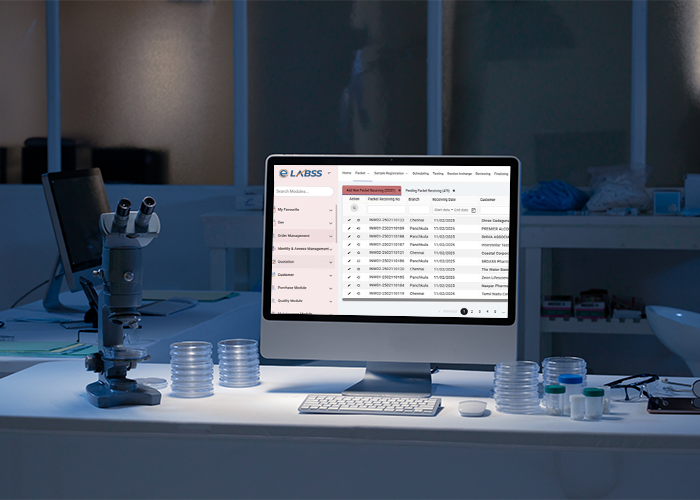
In today’s fast-evolving scientific and healthcare industries, laboratories are expected to deliver faster, more accurate, and highly reliable results. Whether it is a diagnostic center, pharmaceutical company, research institution, food testing lab, or manufacturing facility, efficient data management and workflow automation are now critical for success. This is where lab management software becomes essential.
Modern laboratories generate enormous amounts of data daily. Managing this information manually often leads to inefficiencies, errors, delays, and compliance risks. By integrating a laboratory information management system with existing business and laboratory processes, organizations can streamline operations, improve productivity, and maintain regulatory compliance.
A robust laboratory information management platform not only centralizes laboratory operations but also connects seamlessly with ERP systems, instruments, inventory management tools, accounting software, and reporting platforms. This integration enables laboratories to operate more intelligently and efficiently.
In this article, we will explore the top benefits of integrating lab management software with existing systems and why businesses across industries are adopting advanced LIMS solutions.
What is a Laboratory Information Management System?
A laboratory information management system (LIMS) is software designed to automate, manage, and streamline laboratory workflows. It helps laboratories track samples, manage test results, monitor inventory, generate reports, maintain audit trails, and ensure compliance with industry regulations.
Today, modern lab management software supports cloud-based access, automation, real-time data monitoring, and secure information sharing across departments.
Organizations using integrated laboratory information management systems can significantly improve operational efficiency while reducing manual intervention.
Why Integration Matters in Modern Laboratories
Many laboratories already use multiple software systems for accounting, inventory management, HR, ERP, CRM, and analytical instruments. However, when these systems operate independently, laboratories face issues such as:
- Duplicate data entry
- Increased human errors
- Delayed reporting
- Difficulty in tracking samples
- Lack of real-time visibility
- Compliance challenges
Integrating a laboratory information management system with existing systems eliminates these problems by enabling smooth communication between platforms.
The integration creates a centralized ecosystem where data flows automatically between systems, improving efficiency and decision-making.
Top Benefits of Integrating Lab Management Software with Existing Systems
1. Improved Workflow Automation
One of the biggest benefits of integrating lab management software is workflow automation. Laboratories handle repetitive tasks such as sample registration, result entry, report generation, and inventory tracking.
When integrated with existing systems, the software can automatically:
- Import patient or sample data
- Assign tests
- Generate invoices
- Update inventory
- Send notifications
- Create reports
Automation reduces manual workload and allows laboratory staff to focus on critical analytical tasks.
2. Enhanced Data Accuracy
Manual data entry is one of the primary causes of laboratory errors. Even small mistakes can lead to incorrect test results, compliance issues, and operational delays.
An integrated laboratory information management system minimizes human intervention by automatically transferring data between systems. This ensures:
- Accurate sample tracking
- Error-free reporting
- Consistent data records
- Reliable analytics
Accurate data management is one of the major advantages of laboratory information management system adoption.
3. Faster Sample Tracking and Processing
Sample tracking is critical in laboratories, especially in diagnostic, pharmaceutical, and research environments.
Integrated laboratory information management platforms provide real-time visibility into:
- Sample status
- Testing stages
- Result approval
- Storage location
- Report delivery
Features like QR code generation further simplify sample identification and reduce misplacement risks.
With integrated lab management software, laboratories can process more samples in less time without compromising quality.
4. Better Regulatory Compliance
Laboratories must comply with strict industry regulations and quality standards. Compliance becomes easier when all records are centralized and traceable.
Modern laboratory information management system solutions provide:
- Complete audit trails
- User activity tracking
- Electronic signatures
- Data security
- Role-based access control
- Validation documentation
Compliance support is especially important for healthcare and pharmaceutical industries.
Organizations working in regulated environments often look for lims in pharma solutions that comply with NABL, ISO, FDA, and other standards.
5. Seamless Instrument Integration
Laboratories use various instruments and analyzers for testing and research. Integrating instruments with lab management software eliminates manual result entry.
Benefits include:
- Automatic data capture
- Faster testing workflows
- Reduced transcription errors
- Improved instrument utilization
Integrated systems can collect data directly from laboratory equipment and update the laboratory information management platform instantly.
This feature is particularly valuable in high-volume testing laboratories.
6. Centralized Data Management
One of the major challenges laboratories face is managing data across multiple systems and departments.
Integrated lab management software centralizes all laboratory data into a single platform, making it easier to:
- Access historical records
- Generate reports
- Monitor workflows
- Share information securely
- Analyze performance
A centralized lims portal improves collaboration between teams and departments while ensuring secure access to information.
7. Real-Time Reporting and Analytics
Data-driven decision-making is essential for laboratory growth and operational improvement.
Integrated laboratory information management system platforms provide real-time dashboards and analytics that help management monitor:
- Test volumes
- Sample turnaround time
- Inventory levels
- Equipment performance
- Staff productivity
Scheduled MIS reports further simplify reporting and operational monitoring.
Real-time visibility allows laboratories to identify bottlenecks quickly and improve efficiency.
8. Improved Inventory Management
Laboratories depend heavily on chemicals, reagents, consumables, and equipment. Poor inventory management can lead to stock shortages or unnecessary expenses.
Integrated laboratory information management systems automate inventory tracking and provide alerts for:
- Low stock levels
- Expiry dates
- Reorder requirements
- Vendor management
Efficient inventory management helps laboratories reduce waste and maintain uninterrupted operations.
9. Enhanced Security and Access Control
Laboratory data is highly sensitive and must be protected from unauthorized access.
Modern lab management software includes advanced security features such as:
- Role-based access
- Data encryption
- Secure cloud storage
- User authentication
- Audit trails
These features ensure that only authorized personnel can access specific data and functions.
Cloud-based systems also provide secure remote access, enabling laboratories to work efficiently from multiple locations.
10. Cost Savings and Higher Productivity
Although implementing a laboratory information management system requires investment, it significantly reduces long-term operational costs.
Integrated systems help laboratories save money by:
- Reducing manual labor
- Minimizing errors
- Improving resource utilization
- Decreasing paperwork
- Enhancing workflow efficiency
Higher productivity means laboratories can handle more samples and clients without increasing operational costs.
11. Better Collaboration Across Departments
Laboratories often need to collaborate with multiple departments such as finance, procurement, quality assurance, and customer support.
Integrated laboratory information management platforms improve communication and data sharing across teams.
For example:
- Finance teams can access billing information
- Procurement teams can monitor inventory
- Quality teams can review audit trails
- Management can access reports instantly
This level of collaboration improves organizational efficiency and decision-making.
12. Scalability for Growing Laboratories
As laboratories expand, managing operations manually becomes increasingly difficult.
Integrated lab management software provides scalability by supporting:
- Multiple branches
- Increased sample volumes
- Additional users
- Advanced workflows
- Cloud-based access
Growing organizations require flexible systems that can adapt to evolving operational needs.
This is one reason why businesses are searching for the best lims software in india to support long-term growth.
Importance of LIMS in the Pharmaceutical Industry
The pharmaceutical sector relies heavily on data accuracy, compliance, and traceability.
This is why lims in pharma has become an industry necessity.
Pharmaceutical laboratories must comply with strict regulations while managing complex workflows. Integrated lims software in pharma helps organizations:
- Maintain data integrity
- Track samples accurately
- Ensure regulatory compliance
- Generate audit-ready reports
- Improve product quality
The growing demand for pharmaceutical automation has increased interest in advanced lims software in India.
Growing Demand for LIMS Software in India
India’s healthcare, pharmaceutical, and testing industries are rapidly adopting digital transformation technologies.
As laboratories modernize operations, the demand for lims software providers in india continues to grow.
Organizations are looking for reliable and scalable solutions that offer:
- Cloud accessibility
- Regulatory compliance
- User-friendly interfaces
- Automation features
- Secure data management
Businesses searching for the Top lims software providers in India often prioritize software with advanced integration capabilities and industry compliance support.
Key Features to Look for in Lab Management Software
When selecting a laboratory information management system, laboratories should evaluate features that improve efficiency, compliance, and scalability.
Important features include:
1. Role & Permission-Based Access
Ensures secure and controlled access to sensitive laboratory data.
2. Cloud-Based Solution
Provides remote accessibility, secure storage, and easy scalability.
3. User-Friendly Interface
Improves staff productivity and reduces training requirements.
4. QR Code Generation
Simplifies sample identification and tracking.
5. Scheduled MIS Reporting
Automates report generation and operational monitoring.
6. Complete Audit Trail
Maintains transparency and regulatory compliance.
Compliance Standards Matter
Compliance is a critical factor when choosing lab management software.
A reliable system should support standards such as:
- NABL 133
- ISO 9001
- Validation reporting
- User documentation requirements
Compliance-ready solutions help laboratories maintain quality assurance and pass audits successfully.
Why Laboratories Need a Modern LIMS Portal
A centralized lims portal provides laboratories with complete operational visibility and control.
Modern portals enable users to:
- Access reports remotely
- Monitor workflows in real time
- Track samples efficiently
- Manage compliance records
- Collaborate securely
Cloud-based portals are especially useful for organizations operating across multiple locations.
Conclusion
Integrating lab management software with existing systems is no longer optional for modern laboratories. It is essential for improving efficiency, reducing errors, maintaining compliance, and enabling data-driven decision-making.
A powerful laboratory information management system can transform laboratory operations by automating workflows, centralizing data, improving reporting, and enhancing collaboration across departments.
For laboratories seeking a reliable and scalable solution, eLABSS LIMS Software is an excellent choice. With advanced features such as:
- Role & permission-based access
- Cloud-based architecture
- User-friendly interface
- QR code generation
- Scheduled MIS reporting
- Complete audit trail
eLABSS also supports critical compliance requirements including:
- NABL 133
- ISO 9001
- Validation reports
- User manuals
As laboratories continue adopting digital transformation, choosing a trusted LIMS solution like eLABSS can help organizations improve productivity, maintain compliance, and achieve long-term operational success.
Frequently Asked Questions (FAQs)
1. What is a laboratory information management system?
A laboratory information management system is software designed to automate laboratory workflows, manage samples, track data, generate reports, and ensure compliance with industry standards.
2. What are the advantages of laboratory information management system integration?
Some major advantages of laboratory information management system integration include improved workflow automation, better data accuracy, faster reporting, regulatory compliance, and centralized data management.
3. Why is LIMS important in the pharmaceutical industry?
Lims in pharma helps pharmaceutical companies maintain compliance, ensure data integrity, automate workflows, and improve sample traceability in regulated environments.
4. How do I choose the best LIMS software in India?
When selecting the best lims software in India, look for features such as cloud access, audit trails, QR code tracking, role-based permissions, compliance support, and user-friendly functionality.
5. Who are the top LIMS software providers in India?
Many organizations offer lims software in India, but laboratories should choose providers that deliver strong compliance support, automation capabilities, scalability, and reliable customer support.
Comments are closed