

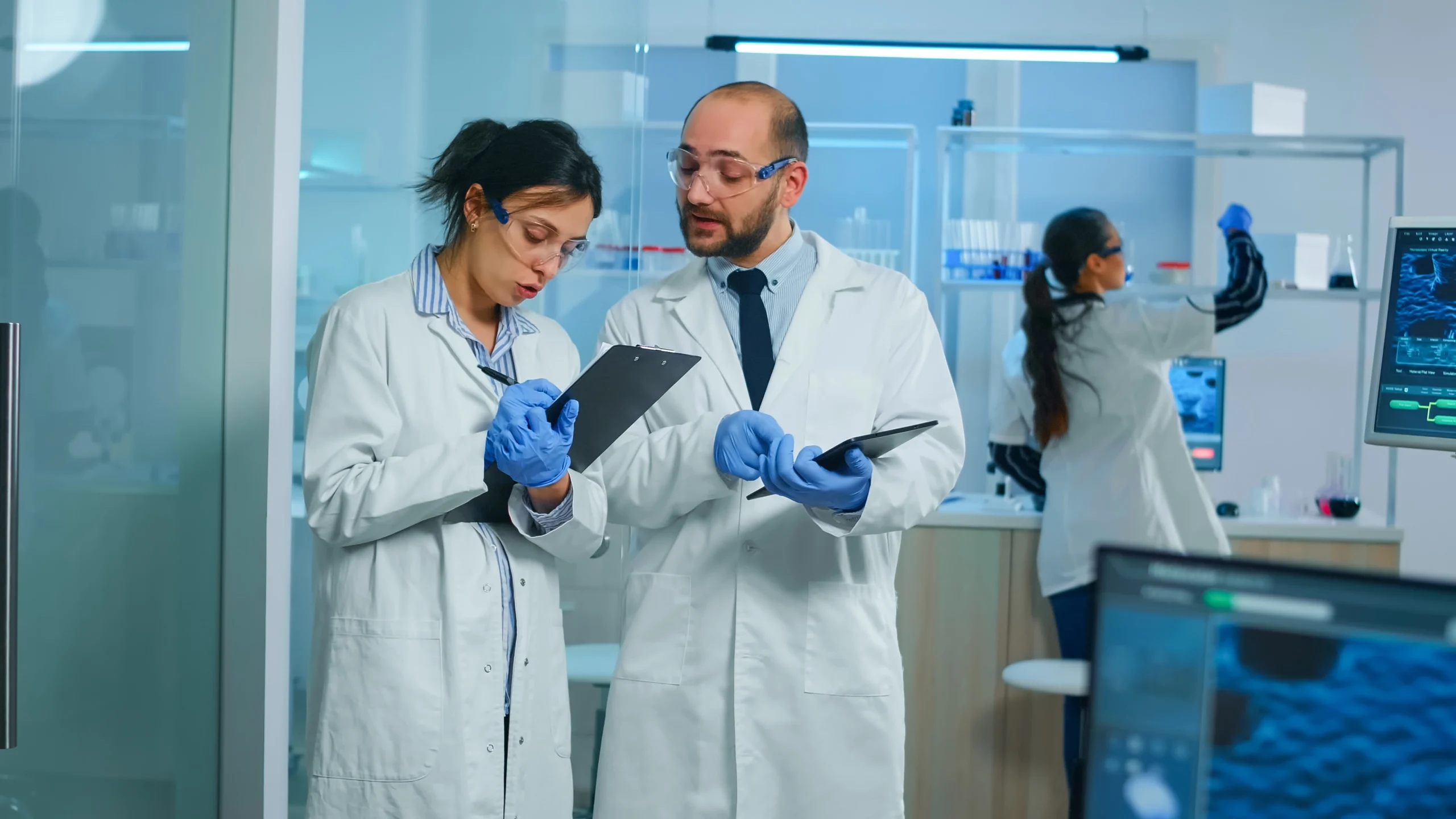
Modern laboratories are no longer isolated workspaces where scientists operate independently. Today’s labs are interconnected environments where analysts, quality managers, lab supervisors, regulatory teams, and external stakeholders must work together seamlessly. Whether in pharmaceuticals, biotechnology, food testing, or environmental labs, collaboration directly impacts efficiency, compliance, and overall productivity.
This is where a laboratory information management system becomes a game-changer. By centralizing data, automating workflows, and enabling secure information sharing, LIMS platforms significantly improve teamwork and streamline Lab Operations across departments.
In this article, we’ll explore how a laboratory information management system software enhances collaboration, improves transparency, reduces communication gaps, and empowers laboratory teams to perform at their best.
1. Centralized Data for Unified Access
One of the biggest challenges in traditional laboratories is fragmented data. Information stored in spreadsheets, notebooks, emails, and paper records creates silos that hinder collaboration.
A modern laboratory information management software eliminates this issue by creating a centralized digital repository. All sample data, test results, audit trails, and reports are stored in one secure system.
How This Improves Collaboration:
- Every authorized team member accesses the same real-time data.
- No confusion caused by outdated spreadsheets.
- Easy retrieval of historical records.
- Cross-departmental visibility.
With electronic lab software, analysts, QA teams, and managers can work from a single source of truth, reducing miscommunication and duplication of efforts.
2. Role-Based Access for Controlled Collaboration
Effective teamwork requires the right balance between accessibility and security. A robust laboratory information management system software offers role & permission-based access controls.
This ensures:
- Analysts can enter and edit test results.
- QA managers can review and approve data.
- Administrators can oversee system configurations.
- Auditors can access read-only reports.
This structured access prevents unauthorized changes while enabling smooth collaboration between departments. Role-based access enhances accountability and builds trust within laboratory teams.
3. Real-Time Data Sharing Across Departments
In many labs, delays occur because results must be manually shared through emails or printed reports. With advanced lab management software, results are updated in real time.
For example:
- As soon as a test is completed, results become instantly available to QA.
- Supervisors receive automated notifications.
- Management can monitor KPIs via dashboards.
This real-time synchronization improves decision-making speed and eliminates bottlenecks in Lab Operations.
4. Streamlined Sample Tracking
Sample mismanagement can disrupt collaboration. Lost samples, mislabelled containers, and inconsistent tracking create confusion between departments.
A comprehensive laboratory information management system enables end-to-end sample tracking using:
- Barcode systems
- QR code generation
- Automated status updates
With these features, every team member knows:
- Where a sample is located
- Its testing stage
- Assigned personnel
- Approval status
This visibility fosters transparency and prevents unnecessary back-and-forth communication.
5. Enhanced Communication Through Automated Workflows
Manual workflows often require constant follow-ups. In contrast, electronic lab software automates key processes.
Automated workflows can:
- Assign tasks to specific analysts
- Notify QA for review
- Escalate delayed approvals
- Generate scheduled MIS reports
By automating repetitive communication, laboratory teams can focus on scientific work rather than administrative coordination.
6. Improved Compliance and Audit Readiness
Collaboration isn’t just about sharing data—it’s also about maintaining regulatory compliance. Labs operating under standards such as NABL 133 and ISO 9001 must maintain detailed documentation and audit trails.
A well-designed laboratory information management software ensures:
- Complete audit trail for every data entry and modification
- Timestamped records
- Electronic signatures
- Version control
For teams working in regulated environments, including those using lims software in pharma, this transparency builds confidence and simplifies inspections.
Instead of scrambling for documentation during audits, all stakeholders can access necessary records instantly within the system.
7. Integration With Instruments and Enterprise Systems
Modern laboratories rely on multiple instruments and enterprise software systems. When these systems operate independently, collaboration becomes fragmented.
A powerful laboratory information management system software integrates with:
- Laboratory instruments
- ERP systems
- Quality management systems
- Reporting tools
This integration eliminates manual data entry, reduces errors, and allows teams to collaborate using synchronized information.
For pharmaceutical labs using lims software in pharma, integration ensures batch records, stability studies, and quality testing results align seamlessly with production workflows.
8. Cloud-Based Access for Remote Collaboration
Cloud-based lab management software is transforming how laboratories collaborate. Teams no longer need to be physically present in the lab to access critical information.
Benefits include:
- Remote result approval
- Real-time dashboard monitoring
- Secure data access from multiple locations
- Faster management decisions
Cloud deployment enhances flexibility, particularly for multi-site laboratories or organizations with distributed teams.
9. Scheduled MIS and Reporting for Management Alignment
Laboratory collaboration extends beyond technical staff. Senior management requires regular updates to make informed decisions.
Modern laboratory information management system platforms offer:
- Scheduled MIS reports
- Automated performance dashboards
- KPI tracking
- Turnaround time analysis
These features ensure that every stakeholder—from lab analysts to top executives—remains aligned.
Clear reporting eliminates confusion and keeps Lab Operations transparent and performance-driven.
10. Reduced Human Error and Increased Accountability
Manual processes often result in transcription errors, misplaced files, or inconsistent documentation. These errors can cause friction between departments.
By implementing electronic lab software, laboratories benefit from:
- Automated data capture
- Validation checks
- Standardized data formats
- Real-time verification
This reduces disputes over incorrect entries and strengthens accountability among team members.
11. Better Cross-Functional Collaboration in Pharma Labs
In pharmaceutical environments, collaboration is critical between R&D, quality control, production, and regulatory teams.
Using specialized lims software in pharma, organizations can:
- Track stability studies efficiently
- Monitor batch release processes
- Maintain compliance documentation
- Ensure traceability across production cycles
Pharma labs operate under strict regulatory oversight. A strong laboratory information management framework ensures departments collaborate efficiently without compromising compliance.
12. User-Friendly Interfaces Promote Adoption
Technology only improves collaboration if people use it effectively. A user-friendly laboratory information management software interface ensures:
- Minimal training requirements
- Faster onboarding of new staff
- Reduced resistance to change
- Increased productivity
Intuitive dashboards and simplified workflows empower teams to adopt digital transformation confidently.
13. Complete Audit Trail Builds Trust
A complete audit trail is essential in collaborative environments. It records:
- Who entered data
- When changes were made
- What modifications occurred
- Why changes were implemented
This transparency eliminates blame-shifting and fosters accountability across laboratory teams.
With comprehensive tracking, collaboration becomes structured and traceable.
14. QR Code Generation for Efficient Sample Handling
QR code generation enhances operational accuracy and collaboration.
Benefits include:
- Quick sample identification
- Reduced labelling errors
- Faster scanning and processing
- Improved coordination between sample reception and testing teams
QR-enabled workflows streamline Lab Operations and minimize confusion between departments.
15. Scalability for Growing Laboratories
As laboratories expand, collaboration becomes more complex. A scalable laboratory information management system software adapts to increasing workloads, new departments, and regulatory changes.
Scalable systems support:
- Multi-location labs
- Increased sample volume
- Additional compliance standards
- Expanding user roles
This ensures smooth collaboration even as the organization grows.
Conclusion: Strengthen Collaboration with eLABSS LIMS
Collaboration is the backbone of successful laboratory operations. Without a centralized system, teams struggle with miscommunication, data silos, compliance risks, and inefficiencies.
Implementing a robust laboratory information management system transforms how laboratories operate. From real-time data sharing to complete audit trails and role-based access control, modern LIMS solutions foster transparency and teamwork across departments.
If you are looking for a reliable, compliant, and user-friendly solution, eLABSS LIMS stands out as a powerful choice.
Why Choose eLABSS?
Salient Features:
- Role & Permission Based Access
- Cloud-Based Solution
- User-Friendly Interface
- QR Code Generation
- Scheduled MIS
- Complete Audit Trail
Compliance Standards:
- NABL 133
- ISO 9001
- Comprehensive User Manual
- Validation Report
With strong compliance support, scalable architecture, and collaborative features, eLABSS helps laboratories optimize Lab Operations while maintaining quality and regulatory excellence.
Now is the time to modernize your laboratory information management strategy and empower your teams with a smarter, more connected system.
Frequently Asked Questions (FAQs)
1. What is a laboratory information management system?
A laboratory information management system is a digital platform designed to manage samples, automate workflows, track data, and streamline Lab Operations within laboratories.
2. How does lab management software improve teamwork?
Lab management software centralizes data, automates workflows, provides role-based access, and ensures real-time updates, enabling seamless collaboration across departments.
3. Is LIMS software in pharma necessary for compliance?
Yes. Lims software in pharma helps maintain audit trails, ensure data integrity, and comply with standards such as ISO and regulatory guidelines required in pharmaceutical laboratories.
4. What is the difference between electronic lab software and manual systems?
Electronic lab software automates data management, reduces human errors, and improves real-time collaboration, whereas manual systems rely on paperwork and spreadsheets.
5. Can laboratory information management software be cloud-based?
Yes. Many modern laboratory information management system software solutions offer cloud-based deployment, allowing secure remote access and real-time collaboration.
Comments are closed