

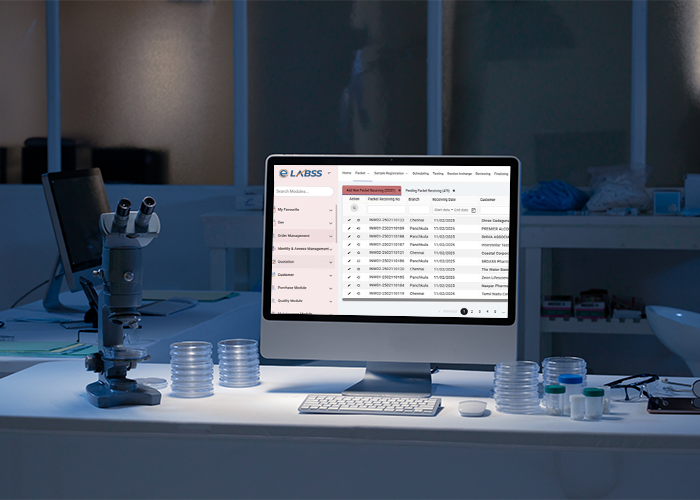
In today’s data-driven world, laboratories rely heavily on digital systems to streamline operations, reduce errors, and enhance efficiency. A laboratory information management system (LIMS) plays a crucial role in achieving this transformation. Whether it’s a clinical, research, or pharmaceutical lab, LIMS helps automate workflows, manage samples, and maintain compliance.
However, not all LIMS solutions are created equal. Labs can choose from commercial, custom, and open-source LIMS software—each with distinct advantages, challenges, and ideal use cases.
In this comprehensive guide, we’ll explore these three main types of LIMS, discuss their differences, compare features, and help you choose the right lab management software for your organization. We’ll also introduce you to eLABSS LIMS, a modern and adaptable solution designed for labs that value accuracy, efficiency, and compliance.
What Is a Laboratory Information Management System (LIMS)?
A laboratory information management system (LIMS) is a software platform designed to manage data, workflows, and operations in laboratories. It acts as a centralized hub for tracking samples, test results, quality controls, and compliance documentation.
In traditional laboratories, paper-based processes often lead to inefficiencies, miscommunication, and compliance risks. By contrast, modern lab management software automates repetitive tasks, improves data accuracy, and ensures real-time access to critical information.
LIMS solutions are now a cornerstone of digital transformation in the laboratory sector—especially in the pharmaceutical industry, clinical diagnostics, and research environments.
Why Modern Labs Need LIMS Software
Digital transformation is no longer optional—it’s essential. The volume of data generated in laboratories continues to grow exponentially. Whether handling clinical samples or conducting pharmaceutical research, labs must maintain accuracy, traceability, and compliance.
Here’s why LIMS software in pharma and clinical labs is indispensable:
- Enhanced Accuracy: Automation reduces human errors in data entry and test recording.
- Improved Efficiency: Workflows are streamlined, cutting down on turnaround time.
- Regulatory Compliance: LIMS ensures adherence to standards such as NABL, ISO, and FDA 21 CFR Part 11.
- Centralized Data Management: Integrated modules for electronic lab notebook software and lab inventory management systems keep all lab information accessible and secure.
- Real-Time Tracking: Cloud-based and mobile-enabled systems allow remote access and monitoring.
For instance, a mid-sized pharmaceutical lab that implemented a LIMS reduced sample processing time by 40% while improving data accuracy by 25%. Such real-world results demonstrate the undeniable impact of LIMS software.
Understanding the Three Main Types of LIMS
When selecting the right LIMS software, labs typically choose between three main categories: commercial, custom, and open-source systems. Each has its strengths and limitations depending on the lab’s scale, budget, and workflow requirements.
Commercial LIMS Software
Commercial LIMS refers to vendor-developed, ready-to-use systems available through licensing or subscription models. These are typically cloud-based platforms that offer robust support and frequent updates.
Key Features:
- Quick deployment and scalability.
- Vendor-provided training and technical support.
- Regular compliance updates (NABL, ISO, etc.).
- Integration with instruments and ERP systems.
Pros:
- Minimal setup time.
- Reliable performance with ongoing support.
- Suitable for regulated environments like pharmaceuticals and diagnostics.
Cons:
- Limited customization options.
- Recurring licensing costs.
Example: Many large diagnostic chains and pharmaceutical manufacturers rely on commercial LIMS systems like LabWare or STARLIMS to ensure compliance and data security.
Best For:
Clinical laboratories, diagnostic centers, and pharmaceutical companies that require proven, validated systems with vendor support.
Custom LIMS Solutions
Custom LIMS solutions are designed specifically for an organization’s unique workflows and operational needs. These systems are either built from scratch or heavily customized versions of existing frameworks.
Key Features:
- Tailored modules for specific workflows.
- Seamless integration with in-house software and instruments.
- Unique dashboards, analytics, and reporting tools.
Pros:
- Highly flexible and scalable.
- Perfectly aligned with internal processes.
- Competitive edge through workflow-specific automation.
Cons:
- Higher development and maintenance costs.
- Longer implementation period.
Example: A research-based pharmaceutical company developing novel drugs might use a custom LIMS designed to handle complex assay tracking and R&D data integration.
Best For:
Large enterprises and R&D institutions that require deep customization, advanced analytics, or proprietary workflow management.
Open-Source LIMS
Open-source LIMS solutions provide access to the system’s source code, allowing labs to modify and enhance the software freely. While cost-effective, they demand technical expertise for implementation and support.
Key Features:
- Free to use and modify.
- Supported by a developer community.
- Flexible customization potential.
Pros:
- Low or no licensing cost.
- Complete control over customization.
- Transparency in code and functionality.
Cons:
- Requires in-house IT or developer support.
- Limited official customer service.
- Updates and bug fixes depend on community activity.
Example: Small academic research labs or startups often adopt open-source platforms like Bika or LabKey for their flexibility and low cost.
Best For:
Research organizations, universities, or startups with technical expertise and minimal compliance requirements.
Comparing Commercial, Custom, and Open-Source LIMS
| Feature | Commercial LIMS | Custom LIMS | Open-Source LIMS |
| Cost | Subscription-based | High upfront investment | Free (implementation cost) |
| Customization | Limited | Extensive | Moderate |
| Support | Vendor-backed | In-house or third-party | Community-based |
| Scalability | High | Depends on design | Variable |
| Compliance | Pre-certified (NABL, ISO) | Custom-configurable | Manual setup required |
| Best For | Pharma, diagnostics | Large R&D, enterprise labs | Academic or research labs |
Key Features to Look for in a LIMS Software
Whether you choose commercial, custom, or open-source, ensure your LIMS includes essential features such as:
- Role-based access and permissions for data security.
- Cloud-based architecture for scalability and remote access.
- Comprehensive audit trails to ensure traceability.
- Automated MIS and reporting for management insight.
- Integration with electronic lab notebook software and laboratory inventory management software.
- Regulatory compliance with NABL 133, ISO 9001, and other standards.
These features ensure smooth operations, reduce compliance risks, and future-proof your laboratory’s digital infrastructure.
Introducing eLABSS LIMS: The Future of Laboratory Management
If you’re seeking a modern, flexible, and reliable laboratory information management system, eLABSS LIMS is a powerful solution designed for the digital era.
Why Choose eLABSS LIMS?
eLABSS LIMS offers an end-to-end, paperless experience that streamlines every step—from enquiry to sample collection to result delivery. It’s not just a LIMS; it’s a complete lab management software ecosystem.
Key Highlights:
- Role & Permission-Based Access: Control who accesses data and when.
- Cloud-Based Solution: Access your system securely from anywhere, anytime.
- User-Friendly Interface: Simplifies complex laboratory operations.
- QR Code Generation: Enhances traceability and efficiency.
- Scheduled MIS Reports: Get actionable insights automatically.
- Complete Audit Trail: Maintain data integrity for compliance and transparency.
Compliance & Quality Assurance
eLABSS LIMS adheres to NABL 133 and ISO 9001 standards, ensuring your lab meets every industry benchmark. Each deployment includes a user manual and validation report, ensuring smooth onboarding and compliance documentation.
Smart Features for Modern Labs
- GPS-enabled image capturing and live sample tracking.
- Mobile app integration for field data collection.
- Flexible modules for sample management, test registration, and billing.
- Seamless integration with lab inventory management systems and instruments.
Who Benefits from eLABSS LIMS?
- Clinical Laboratories seeking faster turnaround and accuracy.
- Pharmaceutical Companies aiming for better compliance and data management.
- Research Labs looking for adaptable, customizable solutions.
Whether your goal is to optimize workflows, enhance accuracy, or reduce costs, eLABSS LIMS delivers a comprehensive, future-ready solution that adapts to your lab’s needs.
How to Choose the Right LIMS for Your Laboratory
Selecting the right LIMS involves evaluating several key factors:
- Lab Size and Complexity:
Small labs may opt for open-source or commercial LIMS, while large enterprises may benefit from custom-built or flexible solutions like eLABSS. - Compliance Requirements:
Ensure your LIMS complies with NABL, ISO, and regulatory standards applicable to your field. - Integration Needs:
If your lab already uses electronic lab notebook software or other systems, ensure the LIMS integrates smoothly. - Scalability:
Choose a system that grows with your organization. - Vendor Support:
Reliable support ensures minimal downtime and smoother operations.
eLABSS LIMS stands out by offering the reliability of a commercial system with the flexibility of a custom solution—making it ideal for modern labs of all sizes.
Future Trends in LIMS Software
The future of laboratory information management systems is being shaped by emerging technologies:
- AI and Machine Learning: Automating data analysis and pattern recognition.
- IoT Integration: Real-time monitoring of equipment and samples.
- Cloud-First Designs: Ensuring secure remote collaboration.
- Mobile and Wearable Devices: Field data collection made simple.
- Blockchain for Data Integrity: Enhancing traceability and auditability.
Labs adopting solutions like eLABSS LIMS are already experiencing these advancements, enabling smarter, faster, and more connected laboratory operations.
Conclusion
The right laboratory information management system is the backbone of a modern laboratory. Whether you choose a commercial, custom, or open-source LIMS, the key is to ensure it aligns with your lab’s size, goals, and compliance needs.
For laboratories that want the perfect balance of flexibility, compliance, and cutting-edge technology, eLABSS LIMS stands as a trusted partner. With features like cloud-based access, real-time tracking, customizable modules, and NABL/ISO compliance, eLABSS empowers laboratories to operate smarter and more efficiently.
👉 Ready to take your lab digital? Choose eLABSS LIMS—your complete, paperless laboratory management solution.
FAQs
What is a Laboratory Information Management System (LIMS)?
A LIMS is software that automates and manages laboratory operations—tracking samples, storing data, and ensuring compliance.
What are the main types of LIMS?
There are three types: Commercial LIMS (ready-to-use), Custom LIMS (tailored to your workflows), and Open-Source LIMS (free but requires IT expertise).
How does LIMS software help pharmaceutical labs?
It improves data integrity, compliance (NABL, ISO, FDA), and operational efficiency while integrating with other lab inventory management systems.
Can LIMS integrate with electronic lab notebook software?
Yes, modern systems like eLABSS LIMS integrate seamlessly with electronic lab notebook software and instruments for unified data management.
Why should I choose eLABSS LIMS?
Because it combines flexibility, compliance, and innovation—offering real-time tracking, cloud-based architecture, and customizable modules designed to enhance accuracy and efficiency.